8 Signs Your Dog Is in Stress, and 6 Different Ways To Support Them
Dogs are our loving companions and furry companions — and the truth is, they feel stress just like we do. From understanding the signs of stress in our furry friends to knowing how to provide support, it’s up to us to do what we can to help our pups feel their best.
Today, we’re guiding you through common stress triggers in dogs, how to recognize them, and what you can do to help your pooch lead a calmer, happier life.
Ready to dig into it?
What Are the Signs My Dog Might Be Stressed?
Dogs: they’re just like us, but covered in fur and with a deep affection for tennis balls. They, too, can feel stress, but instead of ranting about it over a cup of coffee or posting a cryptic status on social media (we’ve all been there), they express it in their own, doggy way.
So, it’s time to put on your detective hat and learn to decipher some common signs of stress in your pup:
1. Lip Licking
This common sign of stress is often overlooked, but lip licking is a common canine SOS. If you catch your pooch frequently smacking their chops without a treat in sight, it might be a sign they’re more stressed than a cat at a dog show.
2. Drooling
Some dogs drool like it’s their day job, while others are a little more stingy with their slobber. If your furry friend suddenly starts producing spit like a faulty water fountain, it could be their unique way of telling you, “I need a doggy day off!”
3. Unusual Vocalizations
Dogs generally won’t whimper and bark without a reason (unless there’s a squirrel, of course).
If your dog is making unusual noises such as whimpering, barking more than usual, or other uncharacteristic sounds, they might be trying to express their feelings of stress.
4. Growling
Growling can also be a sign of stress in dogs. It’s often a dog’s way of saying that they’re uncomfortable or feeling threatened. If your canine companion starts growling more frequently than a grumpy grandpa, pay attention.
5. Body Posture Changes
Changes in your dog’s body language may be more subtle signs than growling or aggressive behavior, but they are no less important. Dogs use their bodies to show their emotions, making it important to pay close attention to any changes in their normal body language.
If your dog starts cowering, avoiding eye contact, or tucking their tail more often, it’s time to turn down their stress levels.
6. Whale Eye or Dilated Pupils
This is a common sign of stress in dogs. If you can see the whites of their eyes, as if they’ve seen a ghost, it could mean they’re feeling a bit… well, ruff.
7. Changes in Eating Habits
A stressed dog might exhibit a loss of appetite or have sudden changes in their eating habits. If you have a food-loving pup who suddenly seems a bit disinterested in their food or is eating less than usual, stress might be the culprit.
8. Changes in Toilet Habits
Your pooch may also show signs of stress via their potty habits. If your dog is going to the bathroom more or less often than usual or has had accidents in the house, they could be trying to tell you that they’re feeling stressed.
Remember, every dog is unique and may show different signs of stress. Knowing your dog’s normal behavior is crucial to spot any changes in how your dog feels.
What Are Common Causes of Stress in Dogs?
Just like us, our four-legged pals can feel the pressure from an array of sources. The key to cracking their stress code lies in understanding what rattles their cage.
Here are some common causes of stress in dogs:
- Separation Nerves: Dogs are pack animals, which means they crave company. Being separated from their family members can often lead to feelings of stress, manifesting as separation nerves. This could occur when you leave for work, a vacation, or even just running errands.
- Loud Noises: Sudden, loud noises like thunderstorms, fireworks, or loud music can be stressful for dogs. Our pups have a heightened sense of hearing compared to humans, making these loud sounds even more intense.
- Changes in Environment or Routine: Dogs thrive on routine. Any significant changes, such as moving to a new home, introducing a new family member or pet, or changing their daily routine, can lead to stress.
- Lack of Mental and Physical Stimulation: Just like humans, dogs need mental and physical exercise. Without enough activity or playtime, dogs can get bored, leading to increased stress levels.
- Health Problems: If your dog isn’t feeling well or is in pain, they might feel stressed (just like us). Regular vet check-ups can help ensure that health issues aren’t the root cause of your dog’s stress.
How Can I Support My Stressed Out Pup?
As a caring pet owner, it’s tough to see our beloved pooch under stress — no one wants their tail-wagger to be left fretting. Luckily, we’ve got a menu of strategies that can help your dog swap their stress for serenity.
1. Establish a Routine
Canines crave consistency. A well-structured daily routine, filled with timely meals, heart-pumping walks, playful adventures, and restful downtime, can serve as a comfort blanket for your dog.
2. Create a Safe Space
Design a snug, cozy corner where your pooch can hightail it when they’re feeling on edge. Whether it’s a quiet room, a crate, or a safe nook stocked with their treasured toys and blanket, this haven will be their go-to stress escape route, helping them calm down when needed.
3. Mental and Physical Exercise
Regular walks and playtimes, coupled with fun puzzle toys, can be a great stress antidote for your dog by serving as a form of mental stimulation. It’s not just a fantastic way to burn off some pent-up energy, but it also directs their attention away from the stressors that are causing their jitters.
4. Dog Training
Not finding success? Call in the cavalry, and consider working with a professional dog trainer or behaviorist. They can provide you with the tools and techniques to manage your dog’s stress, helping them feel more confident and secure.
5. Regular Vet Visits
Regular pit stops at the vet can help flag any health issues lurking in the shadows causing stress for your dog. Your vet can also provide additional guidance and support for managing your dog’s stress.
6. Natural Support
Full spectrum CBD products can help pet owners to support their dog’s overall well-being and may help promote a feeling of calmness for your furry best friend.
But how, exactly, does it do this? Let’s take a closer peek.
How Can CBD Help Support My Dog Through Stressful Situations?
We all want what’s best for our pets, and early evidence suggests that CBD may serve as a natural form of support in navigating through those ruff patches.
So, how does CBD work to support your pooch during a stressful sitch? It all starts with a complex system in the body known as the endocannabinoid system (ECS).
Just like humans, dogs (and all mammals) have their own ECS. This complex messaging system plays a crucial role in maintaining balance in the body, helping to maintain functions like sleep, mood, and stress responses. When you introduce CBD into your dog’s routine, it can interact with their ECS, partnering with naturally-occurring endocannabinoids to promote relaxation, ease nerves, and support the body in managing stress.
Think of CBD as a partner in crime for your dog’s (and your own) ECS.
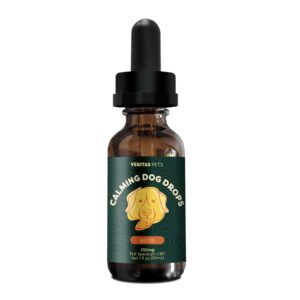
Reach for our Happy Dog Drops to keep your dog relaxin’ and chillaxin’ during thunderstorms, car rides, or busy days when your pup has to stay at home alone. With 500mg of CBD per serving, our natural drops work to promote feelings of calmness when your dog needs it most.
Got a pup who always welcomes a little snack? Our Calming CBD-Infused Dog Chews are the perfect solution when your pup needs a bit of support during stressful situations. If you have a nervous dog who has a tough time with situation-induced nerves, our chews contain a blend of valerian root and passion flower alongside icelandic fish oil, real pork, and 10mg of full spectrum hemp oil for the ultimate relief (and tastebud party).
Does CBD Work the Same Way for Dogs and Humans?
While CBD works similarly in dogs and humans, there are still some key differences to consider. Dogs often have a more sensitive ECS compared to humans, which means they may require a different serving size. Always adhere to the recommended servings provided by trusted brands, and consider your pet’s size and individual wellness needs.
Opt for brands that offer transparency and provide comprehensive information about their ingredients and processes, as we do here at Veritas Farms. All of our hemp is grown sustainably on our Colorado farm, and all of our CBD-infused products are crafted with organic ingredients and undergo third-party testing to ensure their safety and accuracy.
And remember, when in doubt, have a chat with your vet to make sure you’re making the best decision for your furry friend. After all, doesn’t every pup deserve a pawsitively stress-free life?
When Is It Best To Seek Professional Help?
In the hustle and bustle of doggy life, a little bit of stress is expected from time to time. But it’s important to recognize when their stress may be a sign of a more serious issue.
So, when does occasional stress bark up the tree of needing professional help? Keep an eye out for the following:
- Persistent symptoms of stress: If your dog is constantly exhibiting signs of stress despite your efforts to create a calming environment and routine, it might be time to bring in a professional.
- Significant behavioral changes: If your dog has become excessively aggressive or withdrawn and these changes persist despite interventions, it may be a sign that professional help is needed.
- Physical symptoms: Excessive drooling, loss of appetite, or frequent accidents may point to severe stress or other underlying health issues.
- High-stress situations: Major life changes such as moving homes, introducing a new family member, or dealing with a significant health issue can be particularly tough for dogs. In such instances, professional guidance can be invaluable.
- Lack of improvement with home remedies: If you’ve tried every old and new trick alike to help soothe your furry friend and there’s still no significant improvement, seeking professional help may be necessary. Remember, every dog is unique, and what works for one might not work for another.
Calling in the pros, like vets or certified animal behaviorists, is like bringing in a personal trainer for your dog’s stress. They can take a good, hard look at what’s going on with your pup and offer strategies tailor-made for them. These could involve shaking things up a bit with your dog’s environment, routine, or diet, some new training techniques, or specific treatments.
At the end of the day, it really comes down to paying attention and responding to what your furry buddy needs.
Yes, dealing with a stressed-out dog can be tricky. But with every tail wag, every enthusiastic face lick, and all the unconditional love they give, you’ll realize it’s worth it. Because let’s face it — dogs are just the best.
Unleashing Calm With Veritas Farms
Understanding our dogs’ unique language of stress, from lip licking to changes in eating habits, is key to supporting them during tough times. As dog owners, we can lend a paw through consistent routines, mental and physical stimulation, and regular vet visits.
But the journey to a more relaxed, tail-wagging life doesn’t stop there. You can enhance your pup’s wellness and support them through tense times with Veritas Farms’ pet-friendly line of mindfully-crafted CBD.
Our high-quality, full spectrum CBD products may just be the additional support your furry friend needs. Working with your dog’s natural ECS, our Calming CBD-Infused Dog Chews and Happy Dog CBD Drops are tailor-made for our beloved pups, aiming to promote relaxation and ease tension.
So here’s to making every moment with our dogs a testament to their unconditional love – and ours for them! Because when it comes to man’s best friend, we are all about going the extra mile.
Sources:
The endocannabinoid system: Essential and mysterious | Harvard Health