Terpenes and Cannabinoids: What's The Difference?

Airi Macaluso
Medical Hemp Expert, Hemp Wellness Consultant, and Long-Time Cannabinoid Writer

When browsing cannabis products, you’ll most likely stumble upon two fascinating aspects: the cannabis strain’s cannabinoid profile and its terpene profile. Though they’re not the same, they join forces to create the amazing experience of using hemp products.
THC (tetrahydrocannabinol) is often the star of the show when it comes to cannabis plants and products, thanks to its well-known psychoactive effects — and its regulations and legalization issues. But trust us; it’s just the tip of the iceberg!
Cannabis plants are like nature’s treasure chest, brimming with phytocannabinoids, fatty acids, flavonoids, plant waxes, and delightful terpene compounds. The seeds are veggie protein superstars, and the stalks can be transformed into fibers for textiles and paper. They’ve even been used to produce biofuel!
With so many potential benefits, hemp and other cannabis plants are popular wellness pals. The spotlight is on terpenes and cannabinoids when it comes to hemp flowers. So, let’s dive into the exciting world of terpenes and cannabinoids before you pick your next hemp product.
Are There Terpenes and Cannabinoids in Hemp?
Absolutely! Hemp is just a fancy name for a specific type of cannabis plant. These plants are bred to emphasize certain traits while downplaying others. Legally, hemp plants can’t contain more than 0.3% THC by dry weight.
Hemp farmers often go for varieties packed with CBD (cannabidiol) while also growing strains rich in other beneficial minor cannabinoids. They might even pick strains based on their terpene profiles, especially when crafting CBD wellness products with specific vibes.
What Is a Terpene?
Terpenes are nature’s perfumers! They’re aromatic compounds made by plants, people, and animals or whipped up synthetically in a lab. When you open a bottle of essential oil, you’re getting a whiff of terpenes. They also naturally scent cleaning products and toiletries, with the terpenes in wellness products usually coming from the hemp plant.
In a nutshell, terpenes are little aromatic compounds, while complex or modified terpenes are called terpenoids. Both occur naturally.
Terpenoids are basically large chains of terpenes combined into a different structure, which can change how they interact with other compounds. But don’t worry, despite their technical differences, both function similarly.
Hemp plants produce terpenes to chat with their environment. Since the plant can’t directly tell pollinators it needs to be pollinated, it releases a “scent signal” via terpenes. This attracts pollinators to help the plant reproduce.
Some terpenes have other jobs, like deterring pests or predators with sour or skunky scents or protecting the plant from diseases. Terpenes are like little helpers that keep the plant in great shape from the inside out.
What Is a Cannabinoid?
Did you know there are over 100 known cannabinoids? These fascinating compounds are not exclusive to cannabis plants, and even our own bodies produce and use cannabinoids. From peppercorn plants to sea urchins, almost every living thing creates and utilizes them.
Cannabis plants are like cannabinoid factories. They produce a mother cannabinoid called cannabigerolic acid (CBGA), which is then used to create every other cannabinoid. The plant can convert CBGA as needed to produce specific cannabinoids.
In today’s world, talented gardeners and cannabis geneticists guide this process, breeding plants to emphasize certain cannabinoids. “This process is what creates different “strains” of hemp plants, and it’s the reason why we have countless different kinds. It’s part nature and part science, and the end result is almost magic,” notes Resident Veritas Farms CBD expert Airi Macaluso.
Hemp plants, for instance, are usually bred for high CBD production and low THC levels. This ensures they’re legally compliant and perfect for CBD wellness products.
As people become more curious about cannabinoids, plants are being bred to favor minor ones like cannabigerol (CBG), cannabinol (CBN), and cannabichromene (CBC), which have piqued the interest of wellness enthusiasts. “Some hemp plants are cultivated to favor specific blends of terpenes that give them unique flavors and aromas,” highlights Macaluso.
What Is the Difference Between Terpenes and Cannabinoids?
Terpenes and cannabinoids both hail from the same plant, but that’s where their similarities end. They can be used together or separately to produce different effects. You can have terpene-rich products without cannabinoids and vice versa.
The main difference lies in how they affect the human body. Cannabinoids interact with receptors in our endocannabinoid system, while terpenes are aromatherapeutic compounds that gently tweak how we feel. “The two can work together to shape the overall experience of a hemp product. CBD can help support a calm mood, and relaxing terpenes can keep the chill vibe going,” Macaluso highlights.
What Do Cannabinoids Do?
Your body comes with a built-in system for interacting with cannabinoids – the endocannabinoid system (ECS). This isn’t a specific location, but rather a collection of cannabinoid receptors found all over your body, from your scalp to your gut.
Some cannabinoids, like THC, latch onto these receptors and can alter the way you feel, leading to that well-known “high.” THC’s euphoric effects can help soothe the body and mind and can do it fairly quickly and intensely, which is why many people find relief through it.
On the other hand, cannabinoids like CBD influence the body without changing its functions. Instead of latching on and altering your body’s processes, CBD encourages your endocannabinoid system to fulfill its natural functions.
Think of CBD as the boss that strolls through the office, telling everyone to get back to work. That’s where the overall sense of wellness comes from. When you use CBD, you might feel better overall, but it’s tough to pinpoint exactly what’s improved and why you’re more at ease.
What Do Terpenes Do?
Terpenes can have various effects when ingested or applied topically, but much of their potential is still being researched. People mainly use terpenes for their possible aromatherapeutic benefits.
Aromatherapy is based on solid science, and you’ve probably experienced its effects firsthand.
Imagine going to the beach, stepping into your grandma’s house during the holidays with delicious baking aromas, or the scent of freshly squeezed orange juice, clean bedsheets, and the air after it rains. These smells are linked to good feelings, and that’s how aromatherapy works.
These aromatherapy scents come from terpenes. You’re smelling the linalool in lavender, the limonene in citrus fruits, the pinene in pine trees, the myrcene in mangoes, and the beta-caryophyllene in black pepper. All these terpenes are also present in cannabis, which is why cannabis terpenes can influence your mood just like aromatherapy does.
Two Peas in a Pod
Cannabis extracts can be separated in a lab, with cannabinoids and terpenes removed or isolated. When hemp plant extract is left in its natural state, it’s called “full spectrum” hemp, as it contains the full range of cannabinoids and terpenes from the plant.
There’s a strong belief that these compounds work better together. The entourage effect theory, researched by cannabis science expert Dr. Ethan Russo, explains how cannabinoids and terpenes function side by side in the cannabis plant, keeping it healthy and robust.
By leaving the hemp extract whole, it can work as nature intended!
What Kinds of Products Have Cannabinoids and Terpenes?
If you’re on the hunt for CBD products packed with terpenes, high-quality, full spectrumCBD products are the way to go.
Let’s dive into some of our favorite products and the terpenes they contain to give you a better understanding of the goodness you’ll be getting.
Full SpectrumCBD Drops
When you choose a full spectrumCBD product, you’re getting CBD alongside all of the hemp plant’s other beneficial compounds — including all of the other cannabinoids, flavonoids, and terpenes.
In other words, full spectrum products are the perfect pick if you want absolutely all of the good stuff (we don’t blame you).
Our Full SpectrumCBD Drops are crowd-pleasers, and for good reason. These drops are made with full spectrum hemp oil to make sure you get the best of what hemp has to offer.
Full Spectrum CBD Softgels
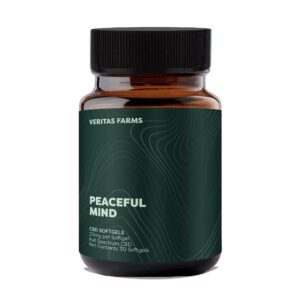
Softgels are an easy-to-swallow, convenient way to get your CBD, and they offer quick absorption into your body.
Our Cognitive Support softgels include full spectrum CBD alongside relaxing botanicals to support cognition, maintain focus and clarity, and help you unwind and slow down on those chaotic days.
We also have our Muscle & Joint CBD softgels, which feature full spectrum CBD, B vitamins, cordyceps, and licorice root to support your overall joint health, help ease feelings of tension, and support your muscle recovery.
Full SpectrumCBD Salves
If you’re looking for topical relief, a full spectrum salve or other topical might be the right choice.
Topical CBD gets to work right where you apply it — say goodbye to tense muscles! Our CBD Salve is infused with full spectrumCBD, essential oils, and other natural ingredients like organic coconut oil and beeswax.
Full SpectrumCBD Pet Drops
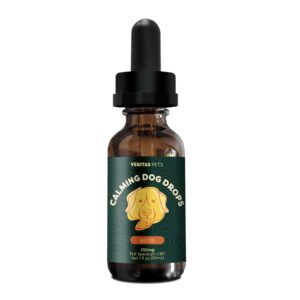
Even our furry friends can enjoy the benefits of terpenes with full spectrumCBD Pet Drops. Formulated specifically for pets, these drops deliver full spectrumCBD to help support your pet’s overall well-being. From car rides to thunderstorms and fireworks to separation nerves, CBD has you (and your pet) covered.
The Bottom Line
Embracing the power of terpenes alongside CBD and other cannabinoids can help you make the most of your experience. When used together, terpenes and cannabinoids work in synergy through something called the entourage effect, providing you with maximum wellness support. The wellness symphony sounds much more beautiful when every component of the hemp plant can play its part of the song.
Whether you’re looking for relaxation, invigoration, or something in between, we have your back.
Sources:
The Endocannabinoid System of Animals – PMC | National Institutes of Health